


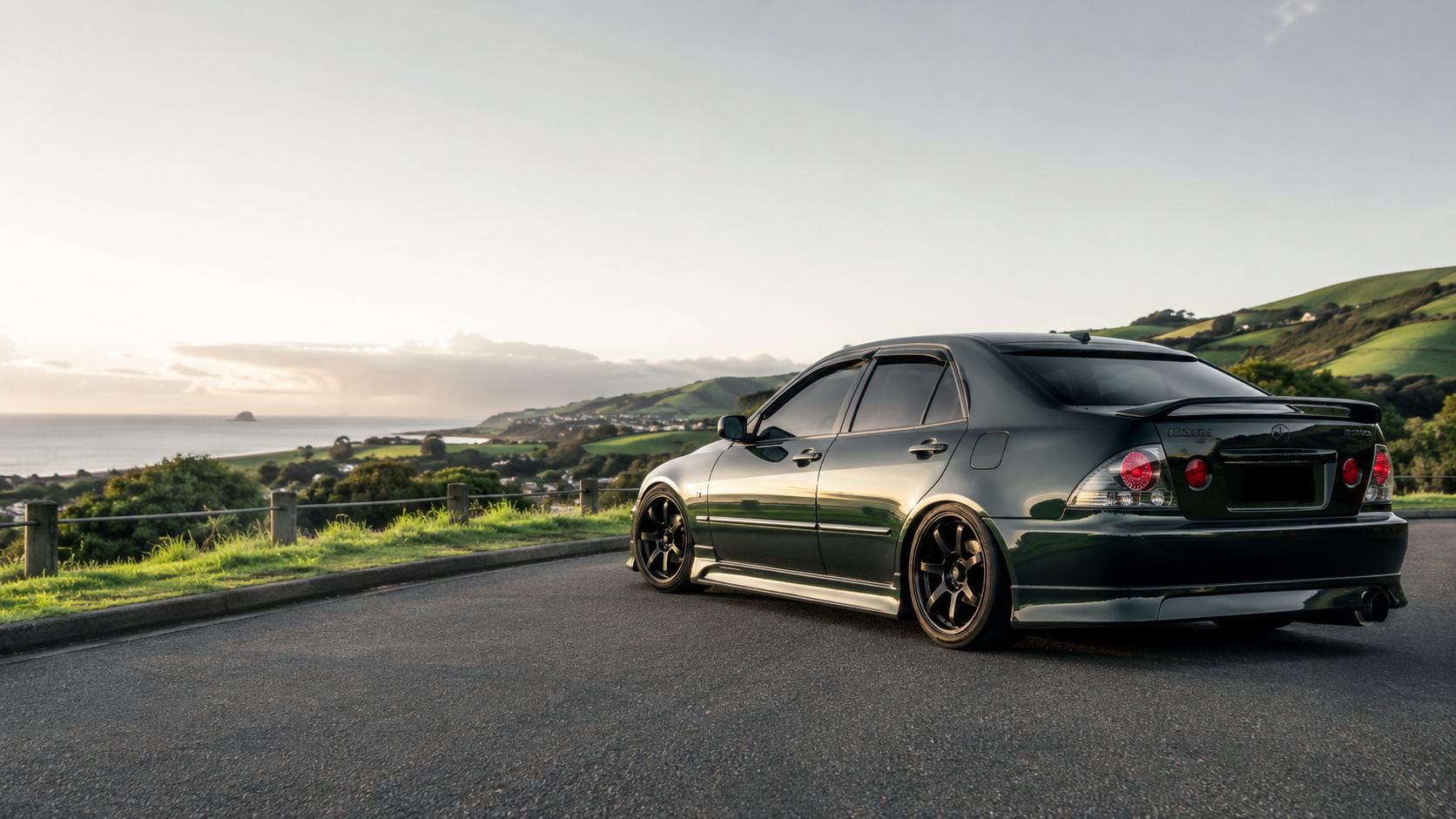
Modifying a car can be a rewarding project. You may have upgraded the sound system, fitted custom wheels, lowered the suspension, added a turbo or changed the vehicle’s interior to suit your style.
However, when the time comes to sell, those modifications can make the process a little different from selling a standard factory vehicle. The good news is that you can sell a modified car in New Zealand. The amount you receive and how quickly it sells will depend on the type of modifications, the quality of the work, the vehicle’s legal status and the buyer you choose.
Here is what you should know before putting your modified vehicle on the market.
What Counts as a Car Modification?
A modification is generally any change that alters a vehicle from its original manufacturer specifications. Some modifications are minor, while others can significantly affect the vehicle’s performance, appearance, safety or legal requirements.
Common modifications can be grouped into three main categories.
Performance modifications
Performance modifications are intended to change the way the vehicle drives or performs. They may include:
- Engine tuning
- Turbocharger or supercharger upgrades
- Modified exhaust systems
- Lowered or upgraded suspension
- Brake upgrades
- Engine replacements
- Changes to the transmission
These modifications may appeal to car enthusiasts, but potential buyers may want proof that the work was completed correctly.
Appearance modifications
Appearance modifications change how the vehicle looks. Examples include:
- Custom paintwork
- Vinyl wraps
- Body kits
- Spoilers
- Custom alloy wheels
- Tinted windows
- Interior lighting or trim changes
Appearance is subjective. A design that appeals to one buyer may not appeal to another, so heavily customised vehicles can sometimes take longer to sell privately.
Practical modifications
Some modifications are added to make a vehicle more convenient or suitable for a particular purpose. These may include:
- Tow bars
- Roof racks
- Reversing cameras
- Upgraded infotainment systems
- Storage systems
- Work lights
- Accessibility equipment
Practical upgrades may be attractive when they are professionally installed and useful to the next owner.
Do Modifications Increase a Car’s Value?
Spending thousands of dollars on modifications does not necessarily add the same amount to the vehicle’s resale value.
For example, an owner may spend $5,000 on suspension, wheels and performance upgrades. However, a potential buyer may not be willing to pay an additional $5,000 for those changes.
Some buyers may value the work, particularly when the vehicle has been modified for a specific enthusiast market. Others may see the same modifications as a possible maintenance, insurance or reliability concern.
The effect on value normally depends on:
- The quality of the workmanship
- Whether recognised brands and suitable parts were used.
- Whether the modifications have been properly certified
- The condition of the vehicle
- The availability of receipts and supporting documents
- Whether the changes appeal to a broad or specialised market
- Whether the vehicle can obtain a current WoF
Tasteful and professionally completed modifications can attract the right buyer. Poorly installed, unfinished or highly personalised alterations may reduce the number of interested buyers.

Does a Modified Car Need LVV Certification?
Some vehicle modifications may require Low Volume Vehicle certification before the vehicle can legally be used on New Zealand roads.
However, not every modification requires LVV certification. Some changes fall below the applicable certification threshold, while more significant changes to areas such as the engine, suspension, steering, brakes or vehicle structure may require an inspection and certification. All modifications must still meet the relevant WoF or CoF requirements, even when separate LVV certification is not required. Because certification requirements depend on the exact modification, it is best to check with an authorised WoF inspector or LVV certifier rather than assuming that the vehicle is compliant.
Keeping invoices, specifications, wheel-alignment reports and records of who completed the work may also make the certification or selling process easier.
Can You Sell a Modified Car Without a Current WoF?
A modified vehicle can still be sold without a current Warrant of Fitness, but the situation must be made clear to the buyer.
A buyer can request a WoF that is less than one month old. When the buyer accepts an older WoF or purchases a vehicle without a current WoF, that acceptance should be confirmed in writing. A vehicle without a current WoF cannot normally be used on the road. It may only be driven in limited circumstances, such as when it is being taken for inspection or repair, provided it is safe to do so. Selling a car without a WoF may reduce the number of private buyers, as they will need to arrange any required repairs, inspections, or certification.
This does not necessarily mean the vehicle has no value. An experienced car buyer or vehicle removal company may still be interested in purchasing it based on its condition, parts and recycling value.
Your Options for Selling a Modified Car
There are three main ways to sell a customised or modified vehicle.
1. Sell it privately
A private sale may provide the highest price when you find a buyer who appreciates the vehicle and its modifications. Enthusiast groups and online vehicle marketplaces may help you reach buyers looking for a specific model or type of project.
Be prepared to answer detailed questions about:
- The parts used
- Who completed the installation?
- How long the modifications have been fitted
- Whether the vehicle has been tuned
- Its WoF and certification status
- Any mechanical problems
- The vehicle’s maintenance history
A private sale may take longer, particularly when the modifications appeal to a limited group of buyers.
2. Return the vehicle closer to factory condition
When you still have the original parts, you could consider returning the vehicle to a more standard condition.
The removed aftermarket parts may be sold separately to other enthusiasts. A standard-looking vehicle may also appeal to a wider range of buyers. Before doing this, compare the likely selling price with the cost and effort required to remove the modifications. Returning a vehicle to stock is not always worthwhile, especially when professional labour is needed.
3. Sell it to a professional car buyer
Selling to a professional vehicle buyer can be a practical option when:
- The vehicle has extensive modifications.
- It does not have a current WoF.
- The work is unfinished.
- It is damaged or non-running
- You no longer have the factory parts.
- You want to avoid a lengthy private sale.
- The vehicle needs to be collected.
Professional buyers assess vehicles differently from private buyers. Rather than focusing only on whether every modification suits their personal taste, they may consider the car’s make, model, age, overall condition, completeness and the value of its reusable components.
Can Bay Cash for Cars Buy a Modified Vehicle?
Modifications do not automatically prevent Bay Cash for Cars from considering a vehicle.
Whether your car has custom wheels, a lowered suspension, an upgraded exhaust, interior changes, or is an unfinished project, you can contact the team and provide the details. Providing accurate information and clear photos can help the team assess the vehicle. Any initial quote may be reviewed if the vehicle’s actual condition is significantly different from the description provided.
Bay Cash for Cars provides car removal and vehicle-buying services for customers in Napier and Hastings.
Tips for Selling a Modified Car
Gather your documents
Collect receipts for the parts, installation and maintenance work. Keep any available certification documents, tuning information and inspection records together. Documentation can give buyers more confidence that the vehicle has been modified and maintained responsibly.
Be honest about every modification
Tell the buyer about all significant changes, including modifications that may not be immediately visible. You should also disclose known mechanical problems, warning lights, accident damage and unfinished work. Being transparent reduces the chance of disputes after the sale.
Check the certification status
Do not assume that a modification is below the LVV certification threshold. Ask an authorised inspector or certifier when you are uncertain.
Consider the buyer’s perspective
A buyer may like the appearance of the vehicle but still be concerned about maintenance, insurance, replacement parts or certification. Clear records and realistic expectations can make the vehicle easier to sell.
Notify NZTA after the sale
Once the vehicle has been sold, notify NZTA promptly. This helps protect you from being associated with future licensing fees, tolls or infringements connected with the vehicle.
Frequently Asked Questions
Can I sell a lowered car?
Yes. A lowered car can be sold, but the suspension changes must meet the applicable safety and certification requirements if the vehicle is to be driven on the road. An authorised inspector or LVV certifier can advise whether certification is required.
Can I sell a turbocharged car?
Yes, but buyers may ask for evidence that the turbo installation, engine tuning and related work were completed correctly. Depending on the nature of the conversion, LVV certification may be required.
Can I sell an unfinished project car?
An unfinished project car may still have value. Private enthusiasts, specialist buyers, or car removal companies may be interested, depending on the model, condition, completeness, and availability of parts.
Will aftermarket parts increase the offer?
They may, but their original purchase price will not necessarily be added to the vehicle’s value. Used aftermarket parts are assessed according to their condition, demand, brand and usefulness.
Can I sell a modified vehicle without a WoF?
Yes, but you must make the WoF status clear to the buyer. A vehicle without a current WoF generally cannot be driven on the road except when being taken for repair or inspection, provided it is safe to do so.
Do I need to remove the modifications before selling?
Not necessarily. Removing the modifications may make sense when you have the original parts and the vehicle is likely to attract more buyers in standard condition. However, professional buyers may still consider the vehicle in its current form.
Sell Your Modified Car Without the Usual Hassle
Selling a modified car can require more preparation than selling a standard vehicle, but it does not have to become a lengthy process.
Start by checking the vehicle’s WoF and certification status, gathering your paperwork and deciding whether a private sale, returning it to factory condition or approaching a professional buyer is the best option. When a vehicle is difficult to sell privately, damaged, unfinished or no longer roadworthy, it may still have value.
Contact Bay Cash for Cars for an assessment of your modified or unwanted vehicle in Napier or Hastings. Provide accurate details and recent photos to receive an offer based on the vehicle’s make, model, condition, and available components.